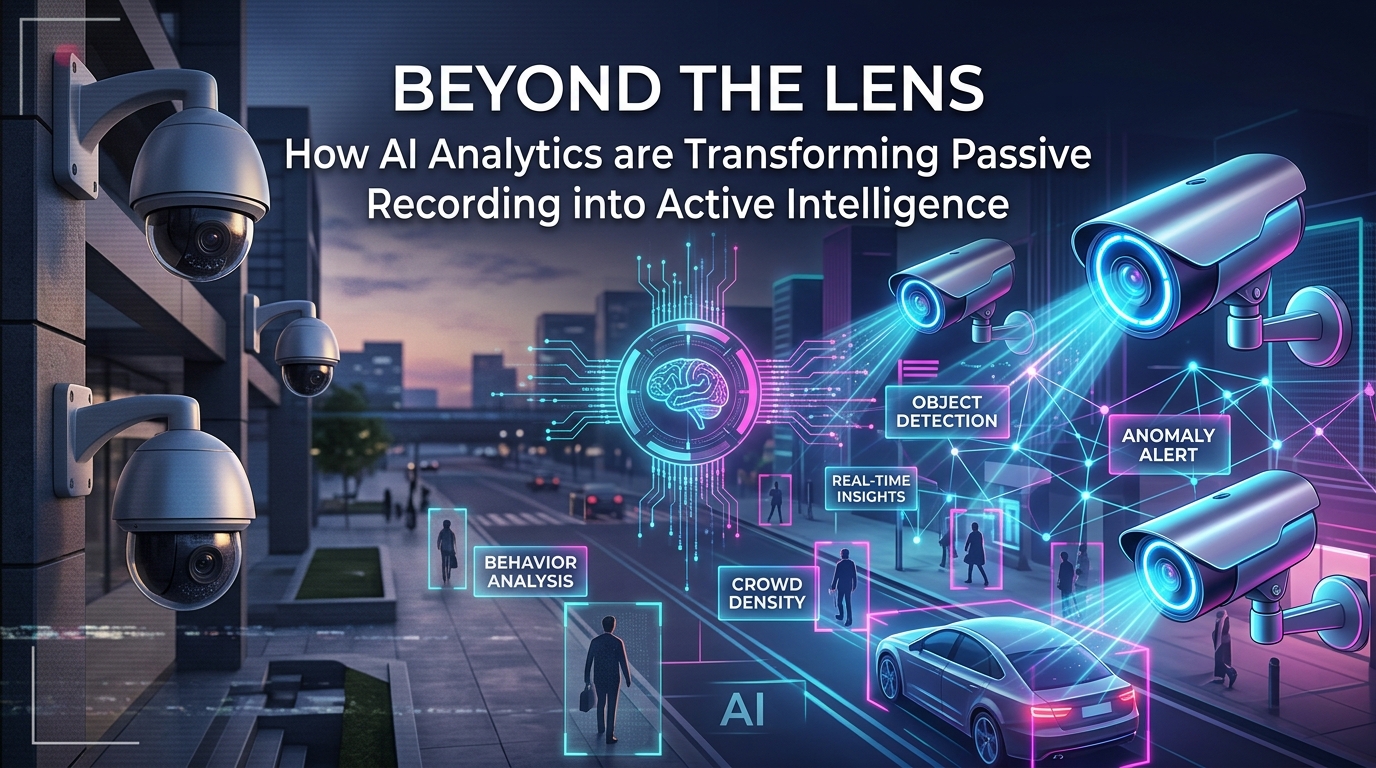
If you still think of a Point of Sale (POS) system as just a glorified cash register, you might be missing out on the biggest shift in business operations today.
Historically, a POS system did one job: it tallied up items and printed a receipt. Today, modern POS platforms are the dynamic nerve centers of a business. But the real magic happens when you pair these systems with AI surveillance.
By linking transaction data directly with smart video monitoring, businesses are no longer just recording sales. They are actively preventing loss, speeding up service, and understanding exactly what their customers want. Let’s break down how integrating AI cameras with POS systems is changing the game across different industries.
1. Retail: Stopping Theft and Smarter Store Layouts
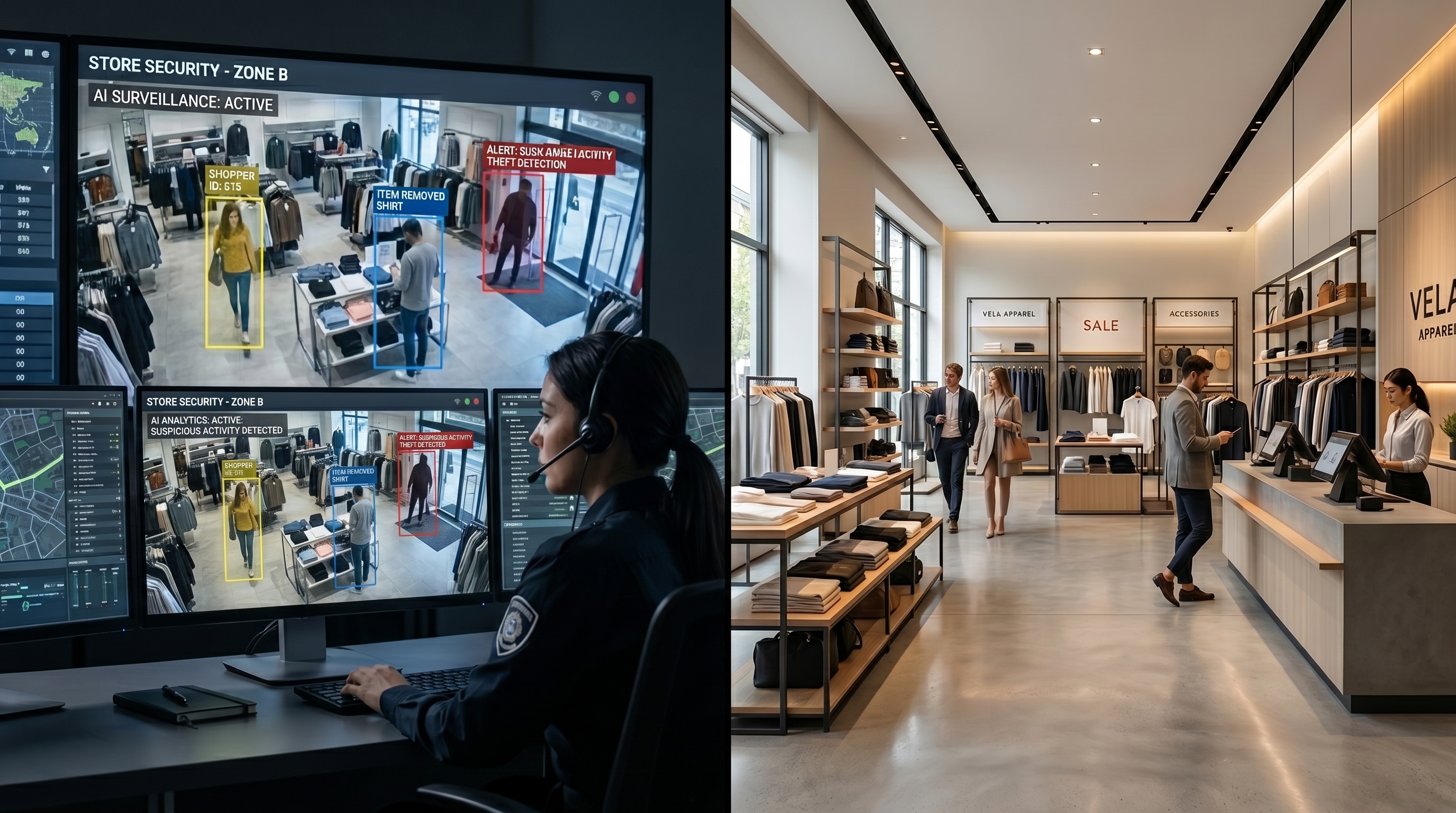
For retail owners, "shrinkage" (losing inventory to theft or error) is a massive, expensive headache. Traditional security cameras only give you footage after the fact, forcing you to scroll through hours of tape. AI flips the script by catching issues in real-time.
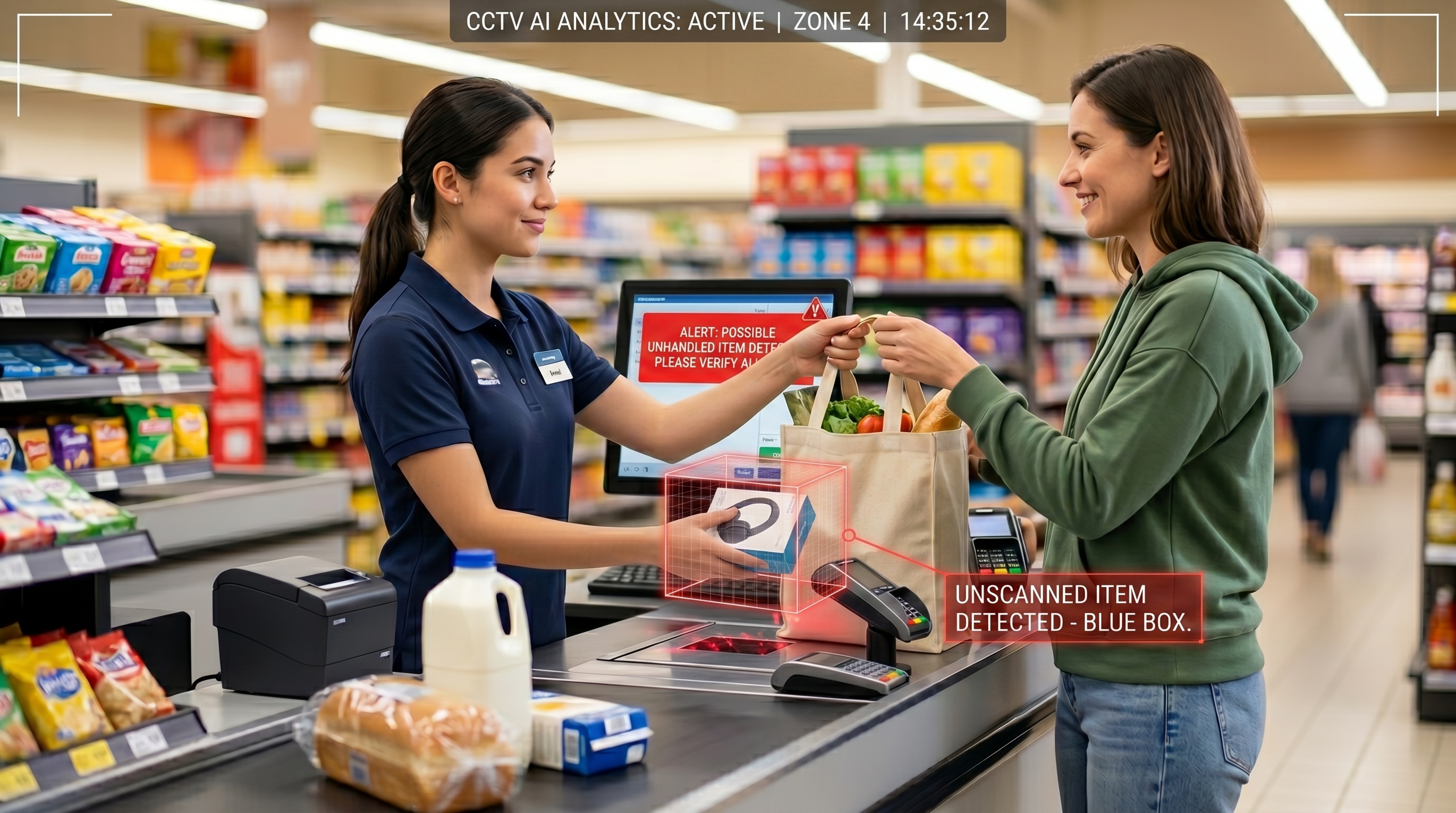
- Catching "Sweethearting" Instantly: This happens when a cashier pretends to scan an item for a friend, or scans a cheaper barcode. AI surveillance uses computer vision to watch the checkout counter. It instantly compares the physical item being bagged with the item rung up on the POS. If a $5 t-shirt barcode is scanned but a $200 jacket goes in the bag, the AI flags it immediately.
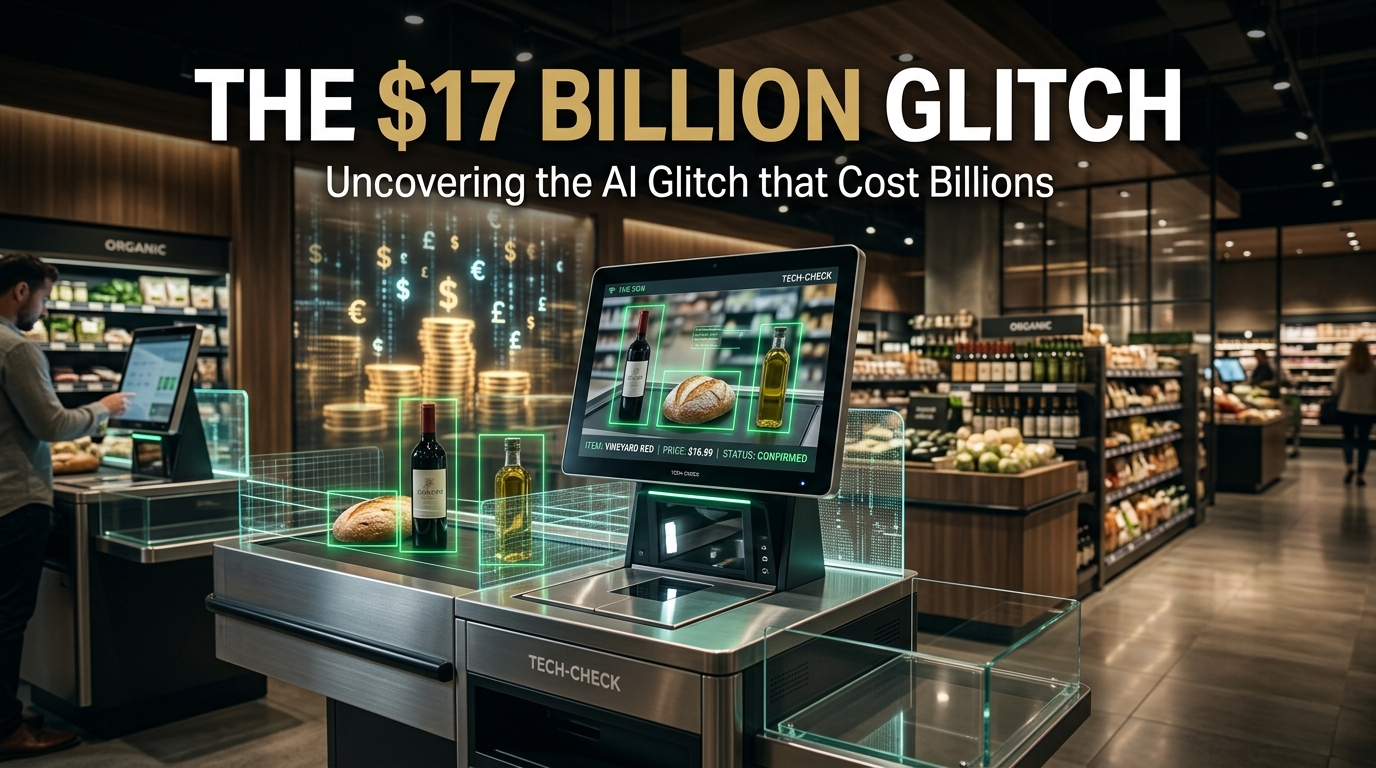
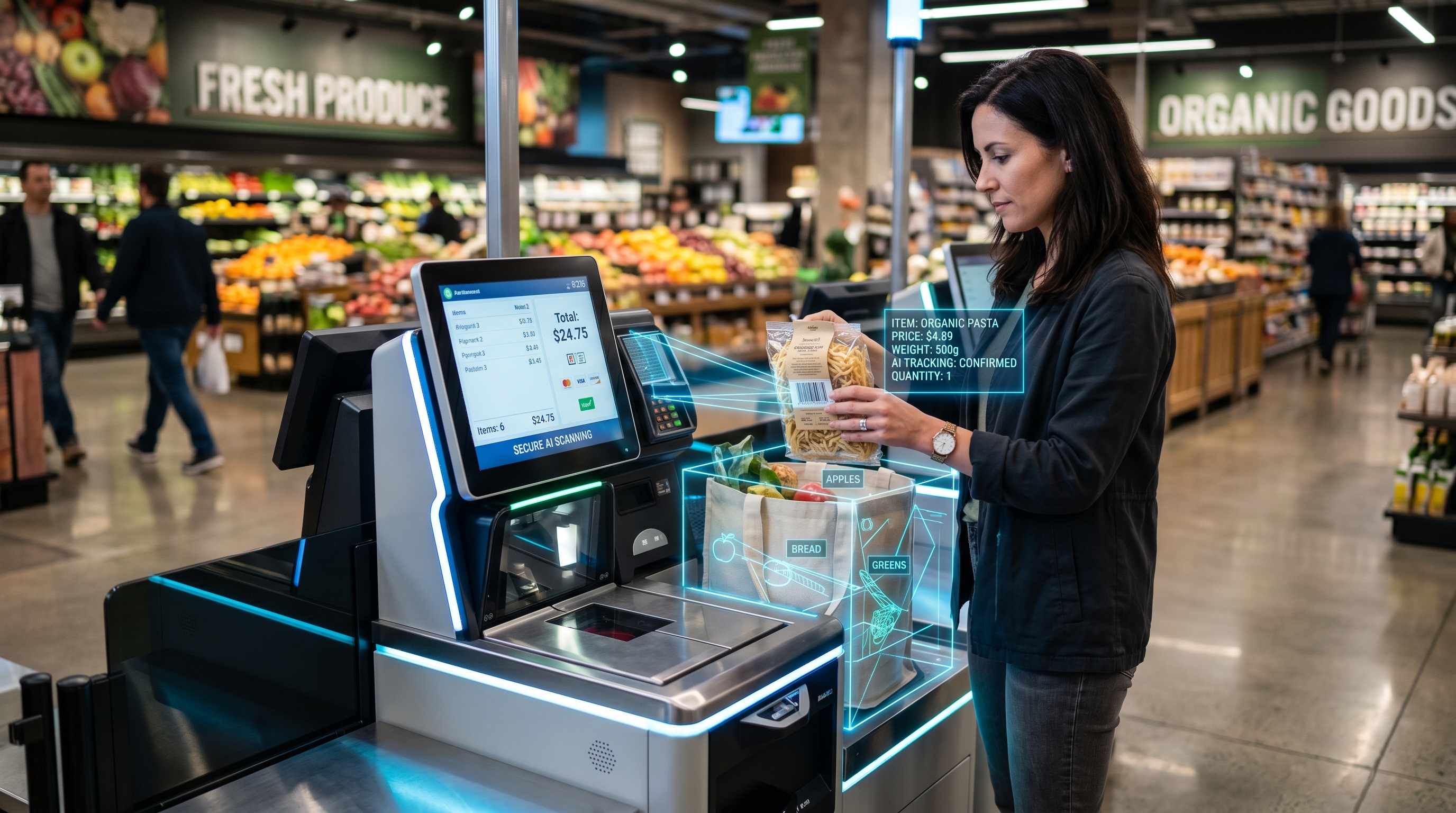
- Securing Self-Checkout: Self-checkout is incredibly convenient, but it is also a hotspot for missed scans. Smart cameras watch the kiosks to ensure every item in the cart crosses the scanner, reducing accidental theft without needing a staff member hovering over every customer's shoulde
- Optimizing the Floor Plan: By tying POS purchase times to video data, AI tracks how customers move through the aisles before they buy. This helps store managers put the right products in the exact right places.
2. Food & Beverage: Faster Service and Perfect Orders
In the restaurant and café world, margins are tight and speed is absolutely everything. An AI-enhanced POS system does far more than just send tickets to the kitchen.
- Predictive Queue Management: Nobody likes waiting in a massive line. AI surveillance monitors the length of the line and the speed of the current transactions. If a sudden rush hits, the system can automatically alert the manager to open another register before customers get frustrated.
- Opt-In Loyalty Recognition: Some cutting-edge cafes use facial recognition at the counter. When an opted-in regular walks up, the POS instantly pulls up their favorite order and loyalty points before they even reach for their wallet.
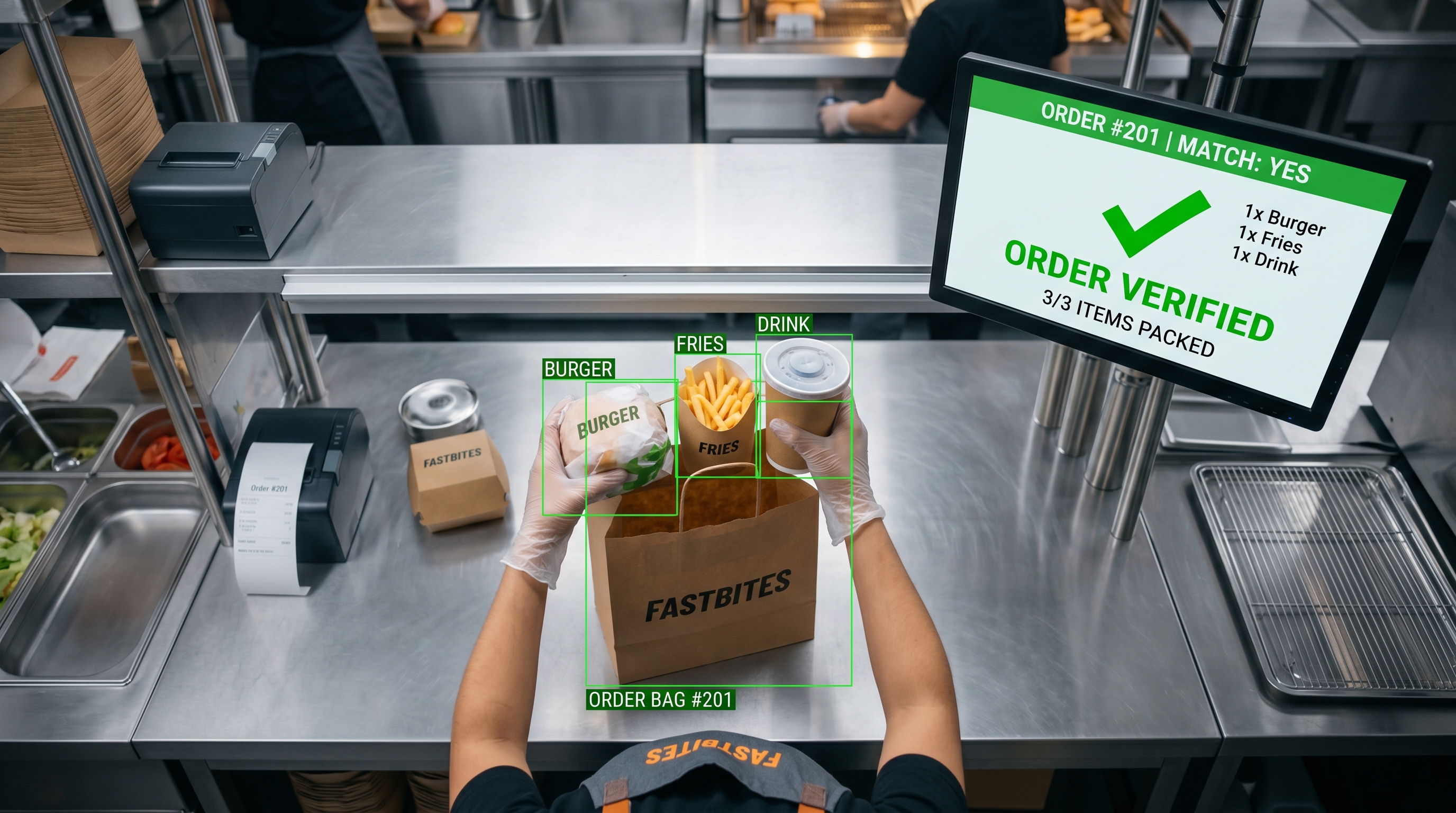
- Fixing Order Accuracy: In fast food, an incorrect order means a refund and a frustrated customer. AI cameras monitor the prep station, verifying that the items going into the bag perfectly match the digital ticket generated by the POS.
3. Hospitality & Entertainment: Catching Internal Fraud
Hotels, bustling bars, and event venues handle thousands of rapid-fire transactions a night. This fast pace makes them prime targets for internal errors and subtle fraud.
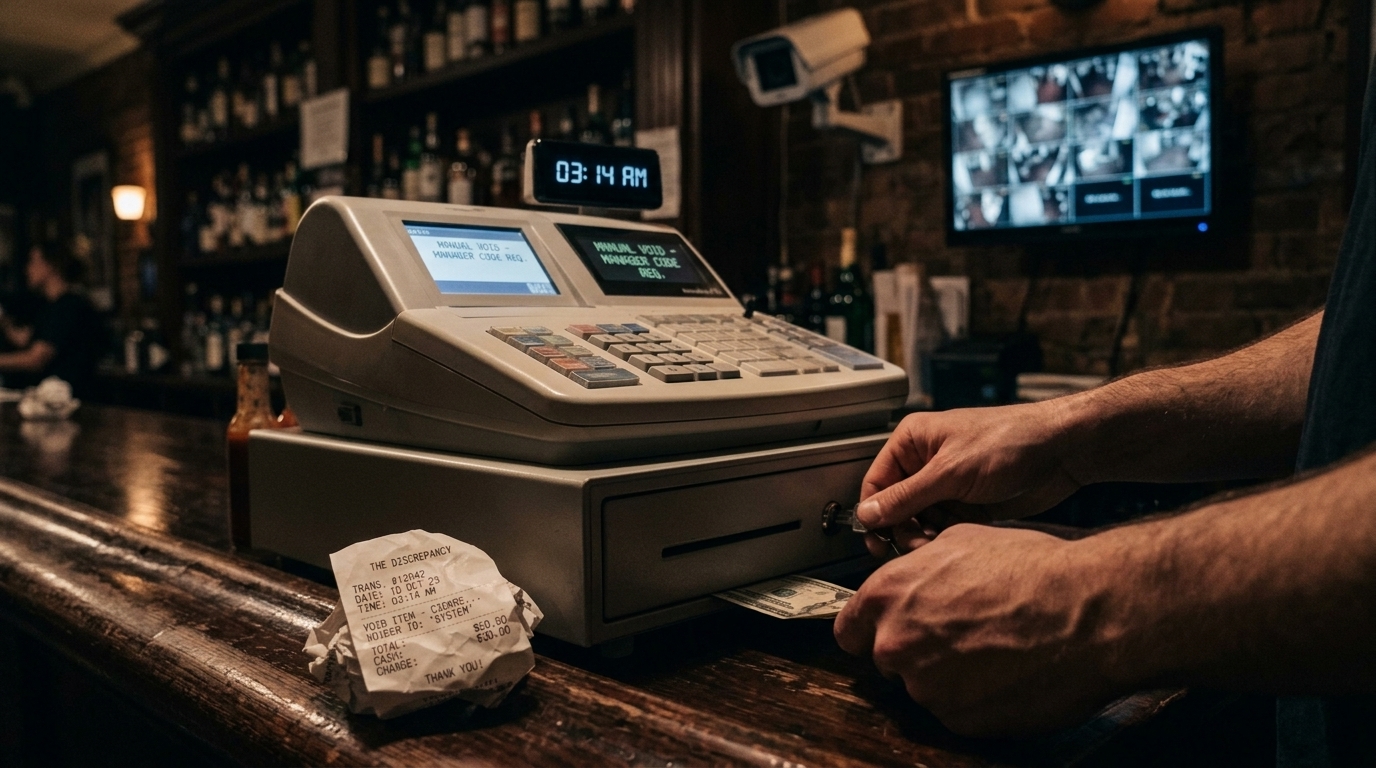
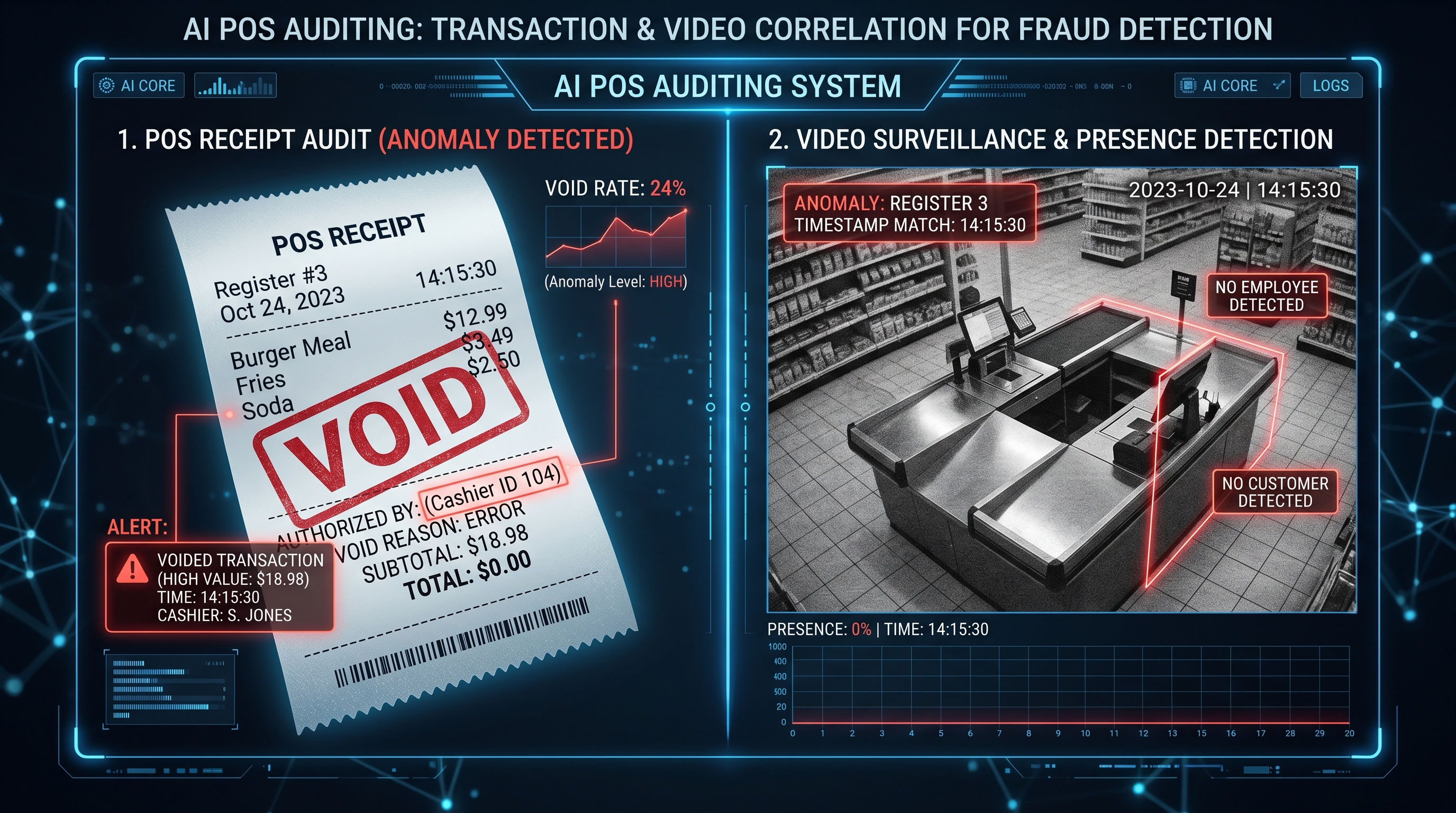
- Auditing Voids and Refunds: A standard POS just logs that a refund happened. An AI-powered POS links that specific refund directly to a video clip of the exact moment it occurred. If an employee repeatedly voids cash transactions when no customer is standing there, the AI highlights the anomaly for management.
- True Identity Verification: During a busy shift, staff often share terminals. AI facial verification ensures the person logging into the POS is actually the employee assigned to that PIN, stopping unauthorized access dead in its tracks.
4. Hotels : Securing the Guest Experience
Hotels are complex ecosystems. A guest might interact with the front desk, the lobby bar, the spa, and room service all in one day.
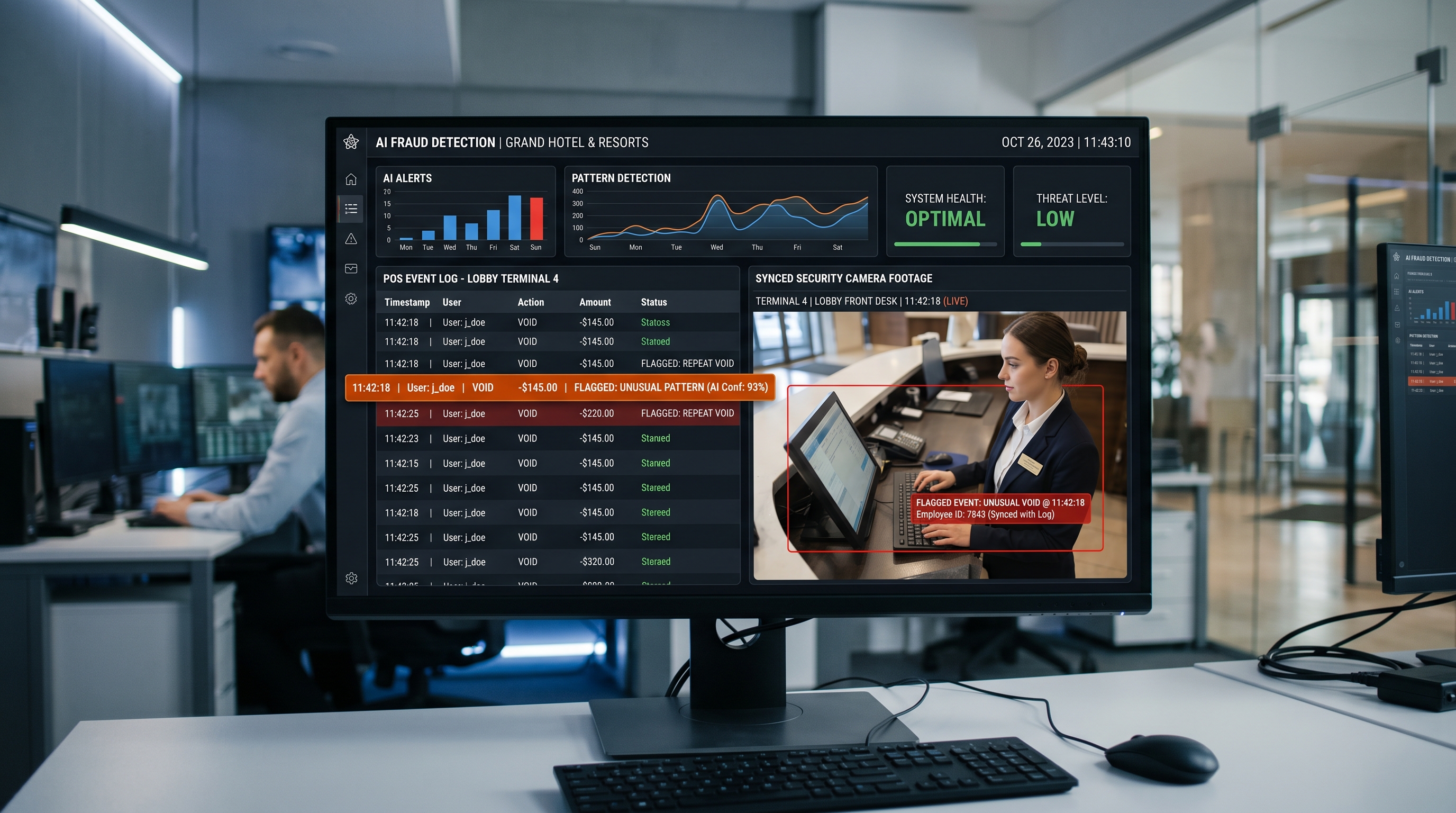
- Catching Internal Fraud Across Departments: Because hotels handle thousands of rapid-fire transactions across multiple shared terminals, they are prime targets for subtle internal fraud. If a bartender repeatedly voids cash transactions when no customer is present, the AI links that specific POS void directly to the video feed, highlighting the anomaly for the food and beverage manager.
- Opt-In VIP Check-In: True luxury is frictionless. Some cutting-edge hotels use opt-in facial recognition at the front desk. When a loyal guest walks up to the POS terminal, the system instantly pulls up their reservation, room preferences, and loyalty points before they even say their name.
- True Identity Verification: During a busy shift, staff often share terminals. AI facial verification ensures the person logging into the POS is actually the employee assigned to that PIN, stopping unauthorized access dead in its tracks.
5. Gas Stations & Convenience Stores: Compliance and Forecourt Security
Gas stations and convenience stores face unique, high-speed challenges, from fuel theft to strict regulations on age-restricted products.
- Automated Age-Compliance: Selling tobacco, alcohol, or lottery tickets requires strict ID checks. An AI-powered POS system not only prompts the cashier but can use video analytics to verify that an ID was actually presented and checked by the employee. This creates a bulletproof audit trail that protects the store's licensing.
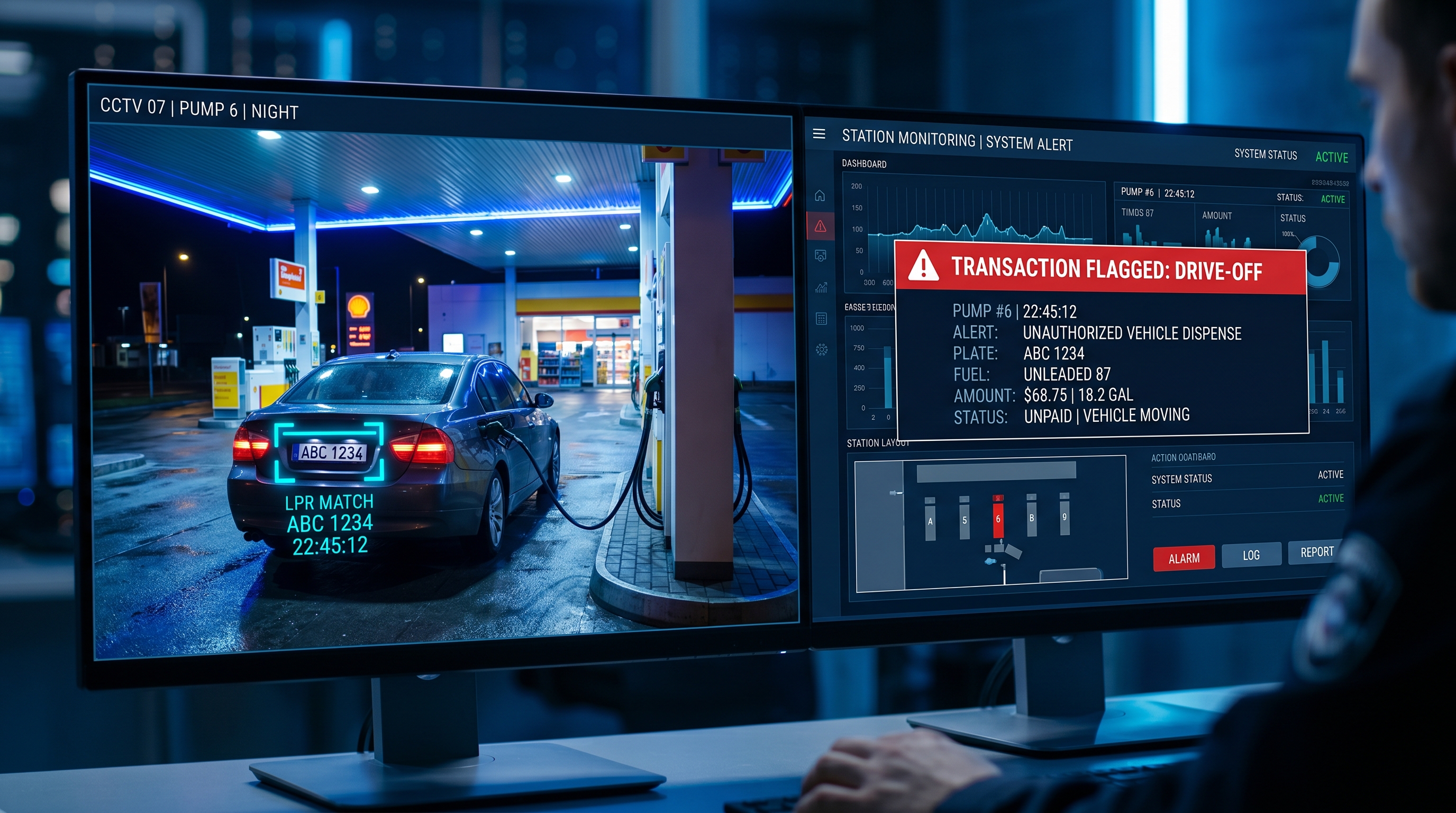
- Preventing Fuel "Drive-Offs": AI cameras equipped with License Plate Recognition (LPR) sync directly with the fuel pump's POS. If a driver dispenses fuel and leaves without paying, the system instantly flags the transaction, logs the license plate, and can alert attendants if that vehicle ever returns to the property.
- Flagging Aborted Transactions: A classic internal theft maneuver involves a clerk ringing up a cash sale, waiting for the customer to leave, and then hitting "abort" or "void" to open the drawer and pocket the cash. AI surveillance flags these specific POS events and instantly attaches the video clip for management to review.
6. Supply Chain & Manufacturing: Inventory Tracking
While we often think of POS in retail, industrial environments use similar systems to track the movement of goods and materials.
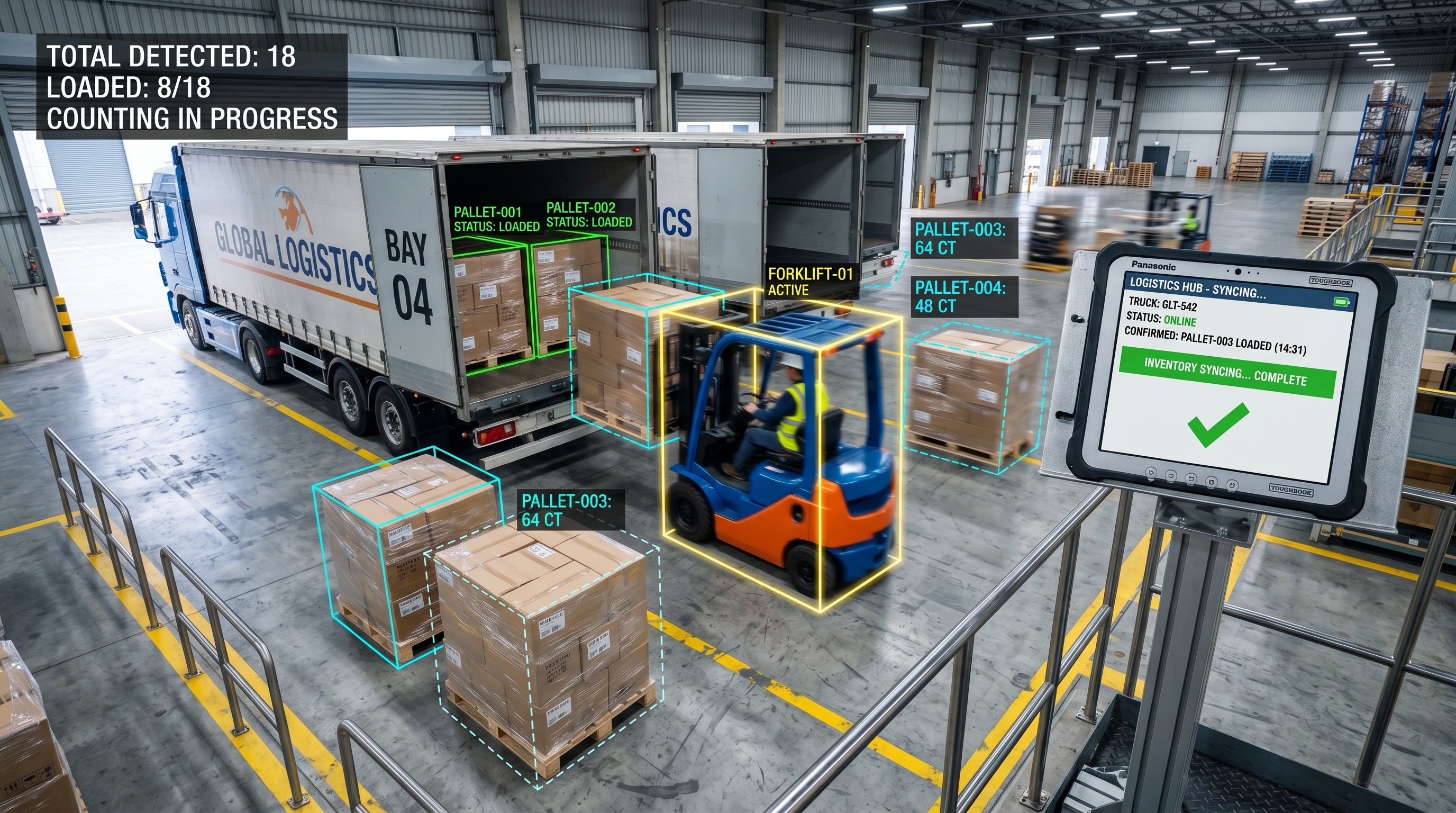
- Dock to System Syncing: AI cameras monitor loading docks and automatically update the inventory system as pallets arrive or leave. If the physical count shown on camera doesn't match the digital invoice processed through the terminal, an alert is triggered immediately.
Frequently Asked Questions (FAQ)
What exactly is an AI-powered POS system? An AI-powered POS (Point of Sale) system is a traditional checkout terminal integrated with artificial intelligence and video surveillance. Instead of just processing payments, it "watches" transactions in real-time, matching video feeds with receipt data to spot errors, enforce compliance, and analyze customer behavior.
How does AI surveillance stop theft at gas stations? AI connects outdoor License Plate Recognition cameras with the indoor POS system. It automatically flags unpaid fuel transactions (drive-offs) and monitors cashiers for suspicious behavior, such as excessive voided cash sales or failing to check IDs for age-restricted items.
Will AI cameras at the POS replace human cashiers or hotel clerks? No, AI at the POS is built to assist human workers, not replace them. By handling the tedious job of verifying items, spotting scanning errors, and tracking inventory, AI frees up staff to focus on what technology cannot do: provide genuine, warm customer service.
Is customer privacy protected when stores and hotels use AI video analytics? Yes, responsible AI surveillance prioritizes privacy by focusing on objects, transaction patterns, and generalized actions rather than personal identities. Unless a customer actively opts into a loyalty program (like a VIP facial recognition check-in), modern systems are designed to track data anonymously, ensuring businesses gain operational insights without compromising personal privacy.