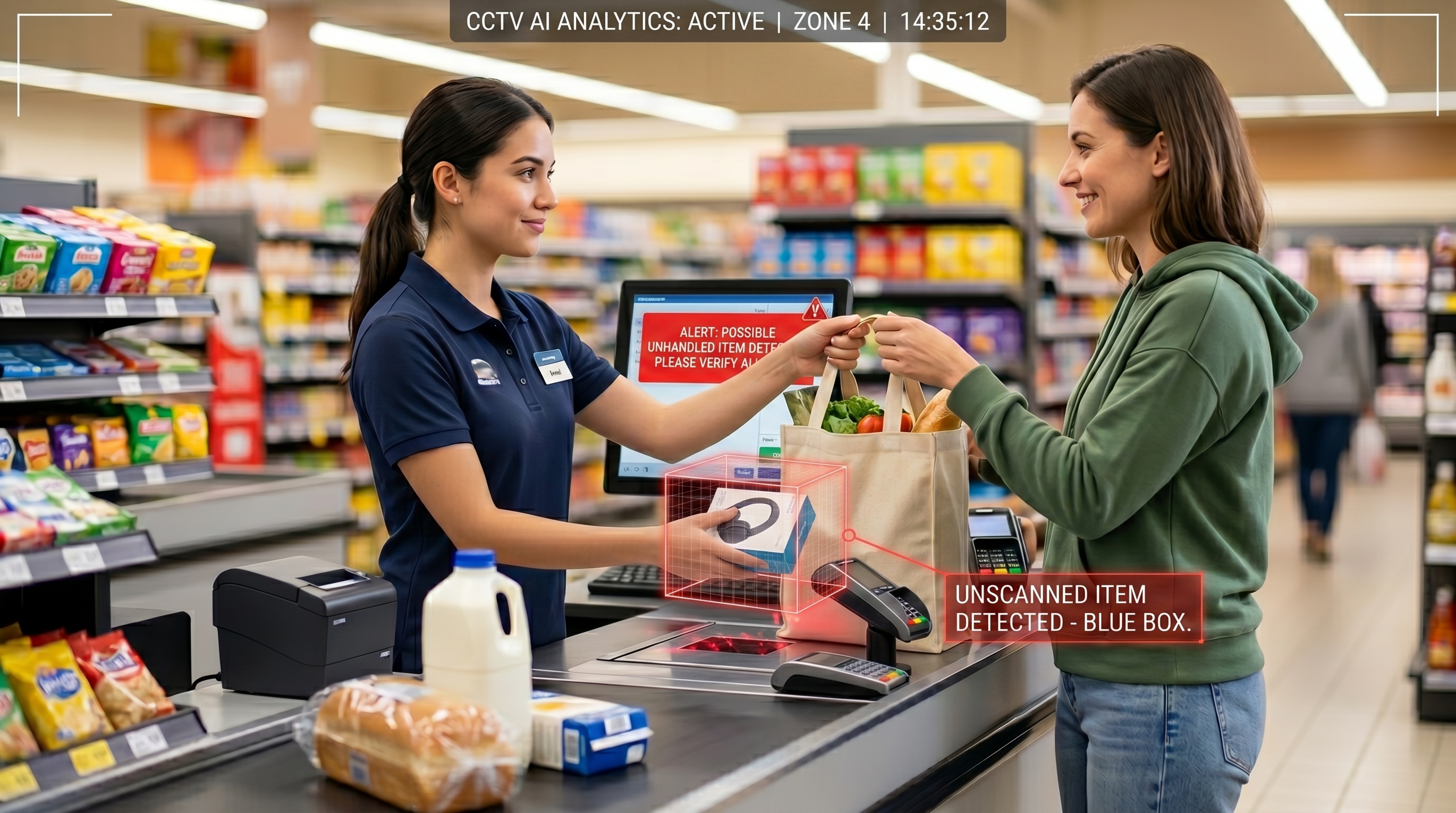
Have you ever reviewed your monthly inventory logs only to find missing high-ticket items, even though your front-end cashiers seemed busy scanning products all day?
If you own or manage a business in the retail, convenience, or grocery space, you might be a victim of a silent profit killer called sweethearting.
While traditional security setups register what looks like a perfectly normal checkout line, store owners across the United States are losing thousands of dollars to this highly coordinated form of internal fraud. Here is what retail sweethearting is, why traditional CCTV fails to catch it, and how next-generation AI surveillance is stepping in to secure your revenue.
What is Retail Sweethearting?
Direct Answer: Retail sweethearting is an internal form of employee fraud where a cashier intentionally bypasses the barcode scanner, performs a "fake scan," or inputs unauthorized discounts to give away free or cheap merchandise to a friend, family member, or accomplice.
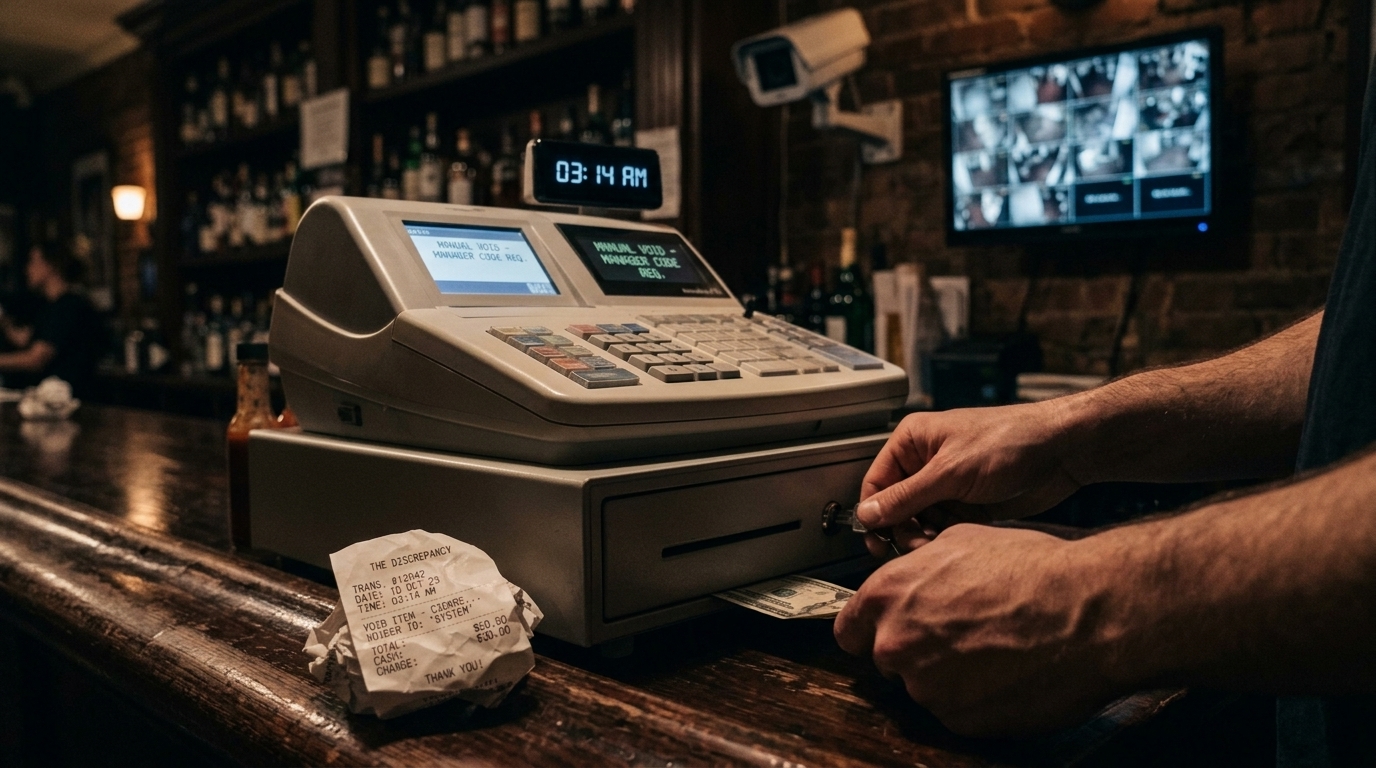
Unlike standard shoplifting, sweethearting is incredibly difficult to spot because the transaction looks completely legitimate from a distance. The conveyor belt moves, items are bagged, and the customer walks away—but your bottom line takes a massive hit. According to National Retail Security audits, employee-driven shrink accounts for billions of dollars in annual losses across the industry.
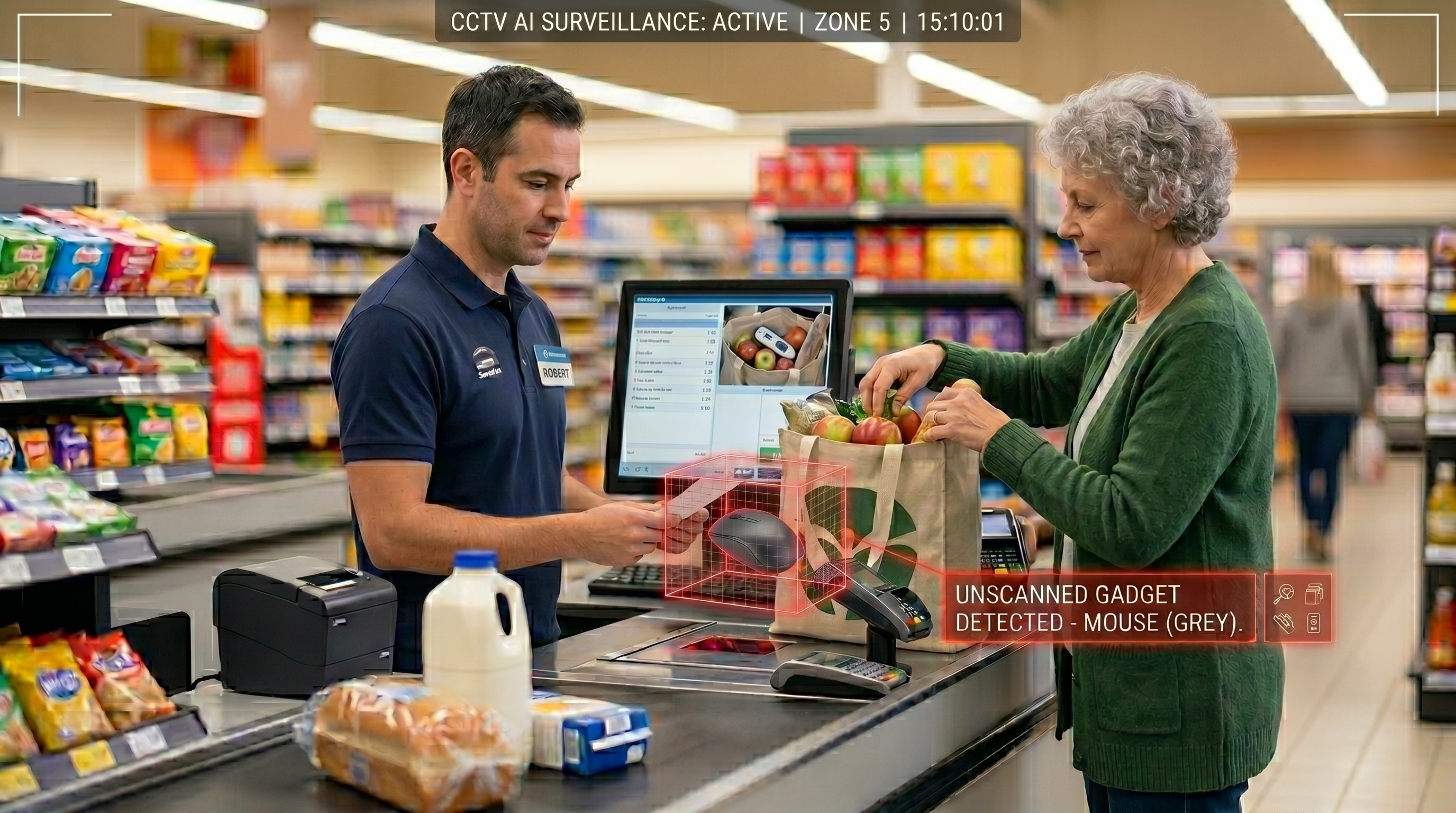
Why Traditional Security Cameras Fail to Stop Cashier Fraud
Most business owners think that hanging an analog or standard IP camera above the cash register solves front-counter theft. Unfortunately, it doesn't.
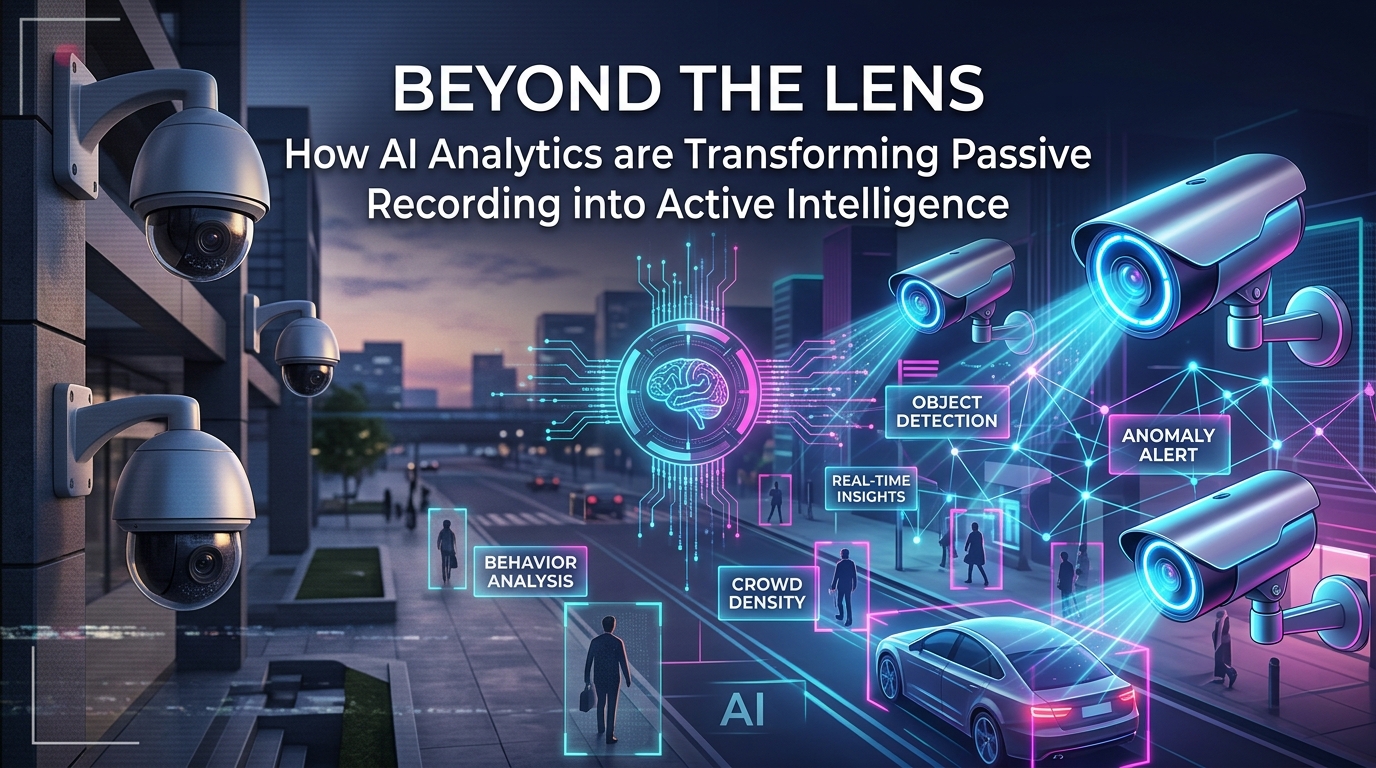
Traditional CCTV cameras are passive systems. They only record video; they do not analyze or understand it.
If a manager wants to find a sweethearting incident using standard footage, they have to manually watch hours of empty tape. Even worse, if an employee tricks the system by passing an item over the scanner with the barcode covered, a traditional camera cannot flag it because a normal physical movement is occurring.
The Fix: Real-Time Video and POS Log Integration
To catch modern checkout anomalies, your security architecture needs context. It needs to combine sight with data.
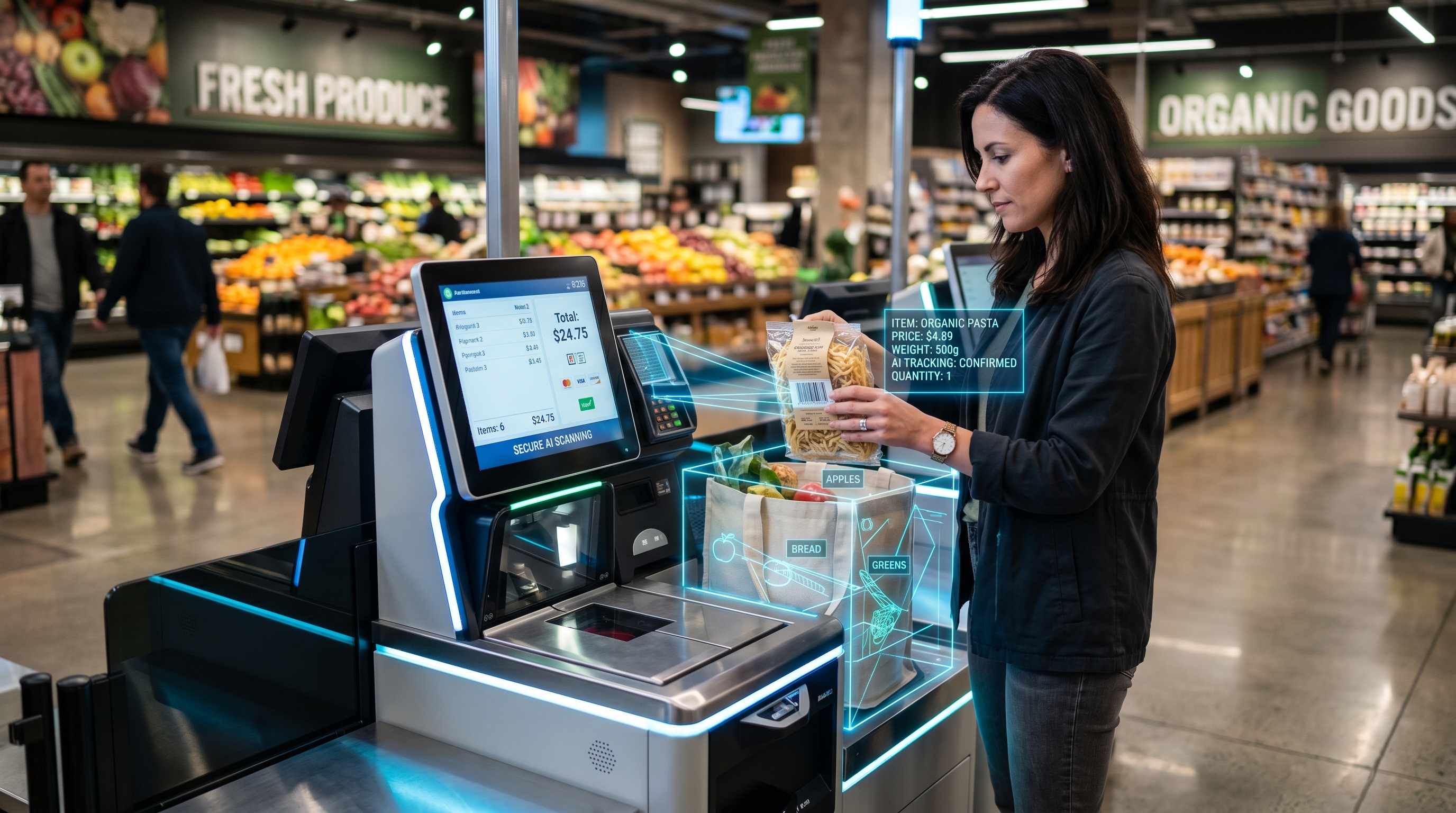
This is exactly how an advanced AI Surveillance ecosystem works. Instead of just recording a dead video file, our system uses computer vision to cross-reference live video tracking against real-time Point-of-Sale (POS) transaction logs.
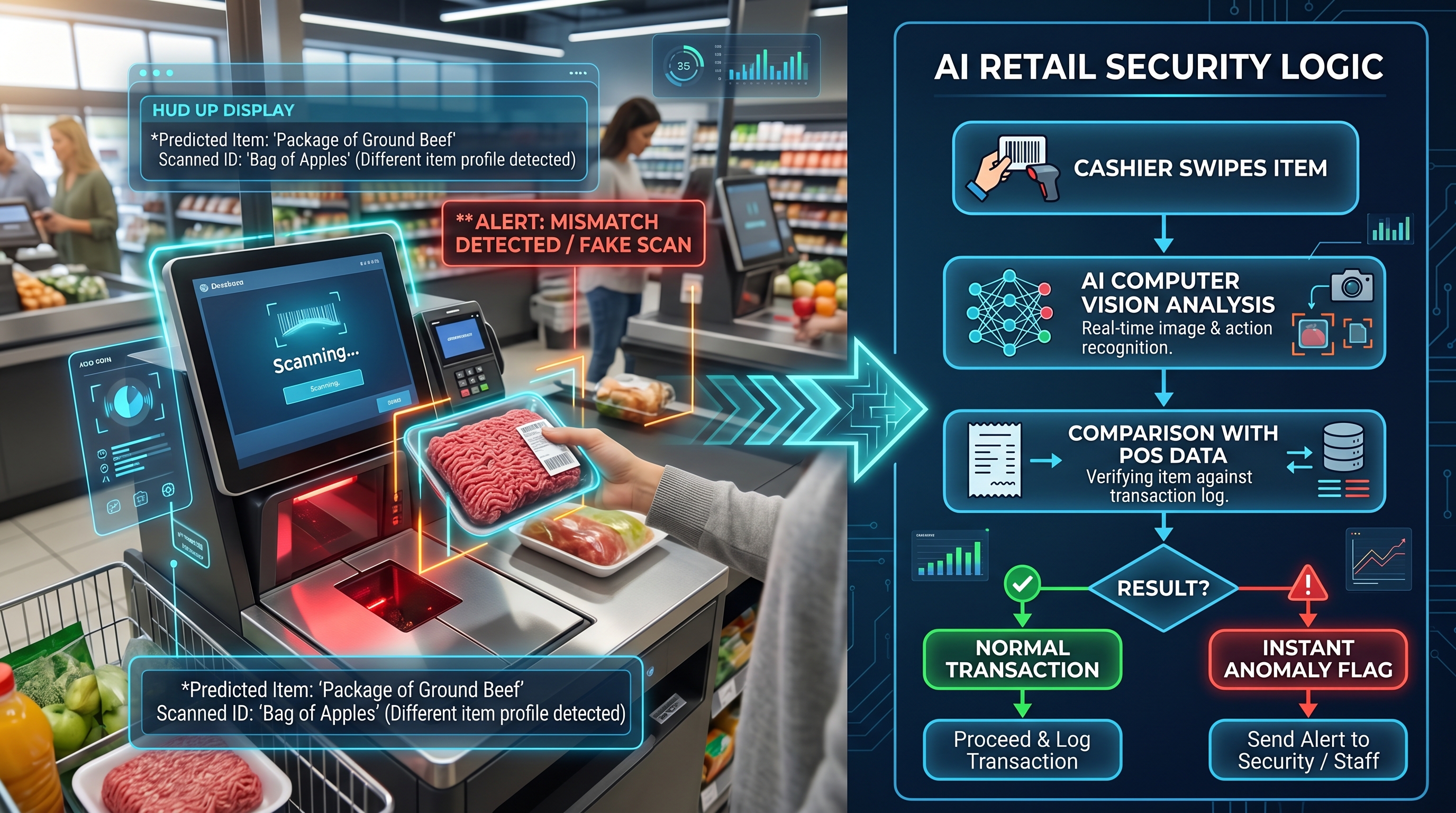
The exact split-second a physical item crosses the scanning threshold and lands in a packing zone without generating a corresponding line item on the customer's receipt, the machine detects the contradiction. The anomaly is instantly logged, verified, and flagged on the system.
Key Operational Benefits for Commercial Retailers
Deploying an intelligent, edge-AI security architecture completely shifts your loss prevention strategy from reactive to proactive:
- Eliminate Manual Review:
- Identify Unscanned Items Instantly:
- Audit Cashier Performance Safely:
Whether you operate high-traffic gas stations, retail boutiques, convenience stores, or hospitality spaces, safeguarding your revenue requires autonomous protection.
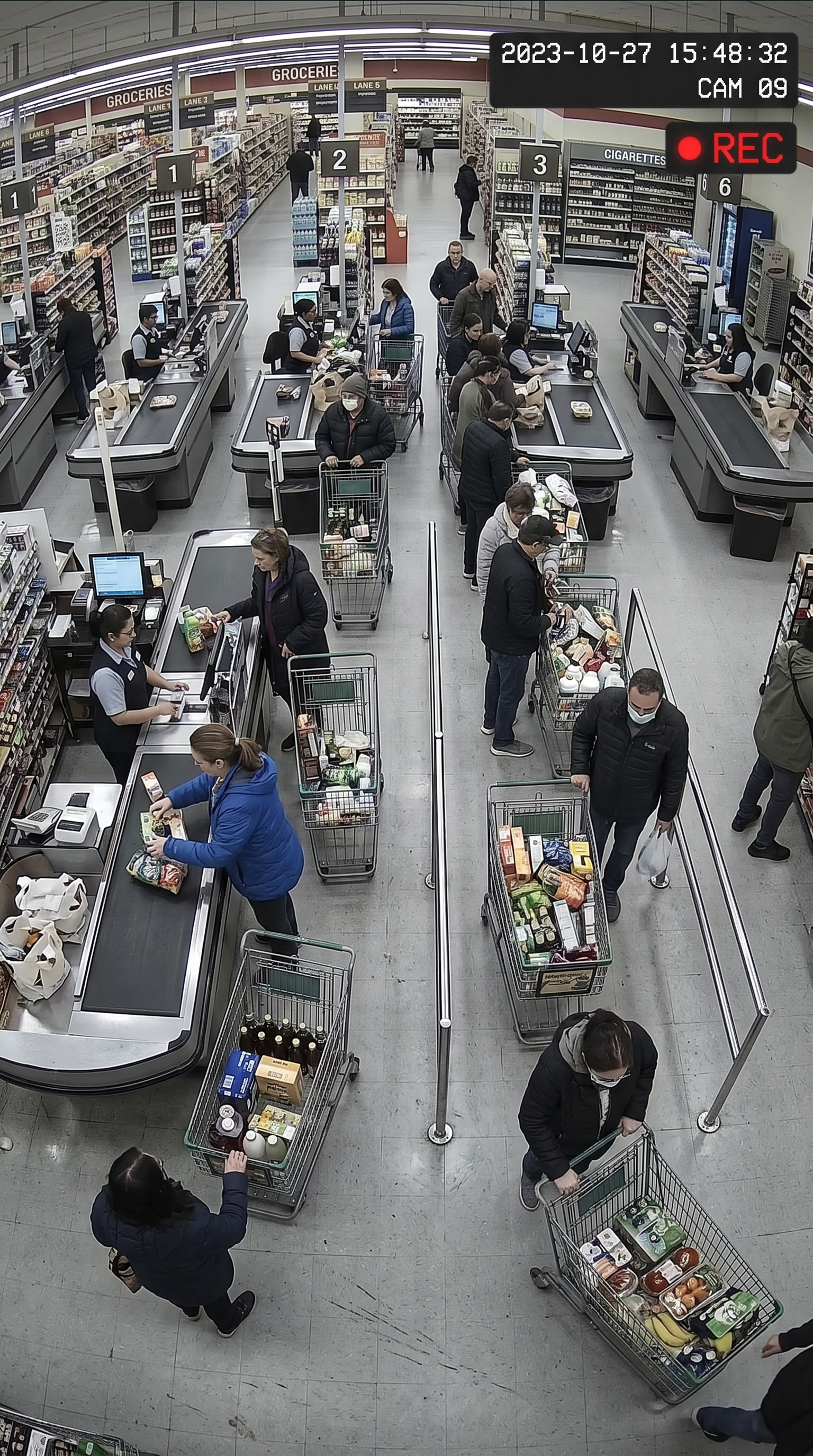
Eliminate Your Gaps with a Local Partner
Stop letting profits slide directly into the shopping bag. Request your Free Camera Placement & Blind Spot Analysistoday with AI Surveillance. Let us transform your standard video network into your business's most valuable asset.
- Phone: (855) 281-8843 | (718) 750-1412
- Email: info@aisurveillance.ae
- Web: www.aisurveillance.ai
- Pacific Northwest Head Office: 3212 Lake Washington Blvd N, Suite 101, Renton, WA 98056, United States
❓ FAQ Section
Q1: How does AI surveillance detect an unscanned item at a cash register?
A: The AI system uses computer vision and advanced spatial tracking to monitor the physical movement of items at the checkout lane. It builds a digital link with your point-of-sale (POS) software. If the system tracks an item moving from the conveyor belt directly into a shopping bag without a matching "scan" or line item appearing on the digital receipt text, it immediately flags a POS anomaly.
Q2: What is the difference between shoplifting and sweethearting?
A: Shoplifting is carried out by customers or external actors hiding merchandise to leave without paying. Sweethearting is an internal insider threat where your own employee or cashier acts as an accomplice, using their position at the register to hand over unscanned, premium merchandise directly to friends or family for free.
Q3: Can AI surveillance separate honest scanning mistakes from actual employee theft?
A: Yes. By compiling automated daily intelligence reports, the software analyzes patterns over time. An occasional missed barcode shows up as an isolated incident, whereas structural sweethearting or cashier fraud displays repetitive data indicators, such as frequent transaction voids, aborted sales, and specific timing anomalies across shifts.