Artificial intelligence is no longer a futuristic concept reserved for science fiction. Today, AI shapes how we work, communicate, shop, travel, and even manage our health. We are accustomed to voice assistants scheduling our meetings and recommendation engines curating our entertainment.
But one of the most profound shifts is happening quietly, high up on ceilings and street poles. Surveillance cameras are no longer just recording the world—they are understanding it.
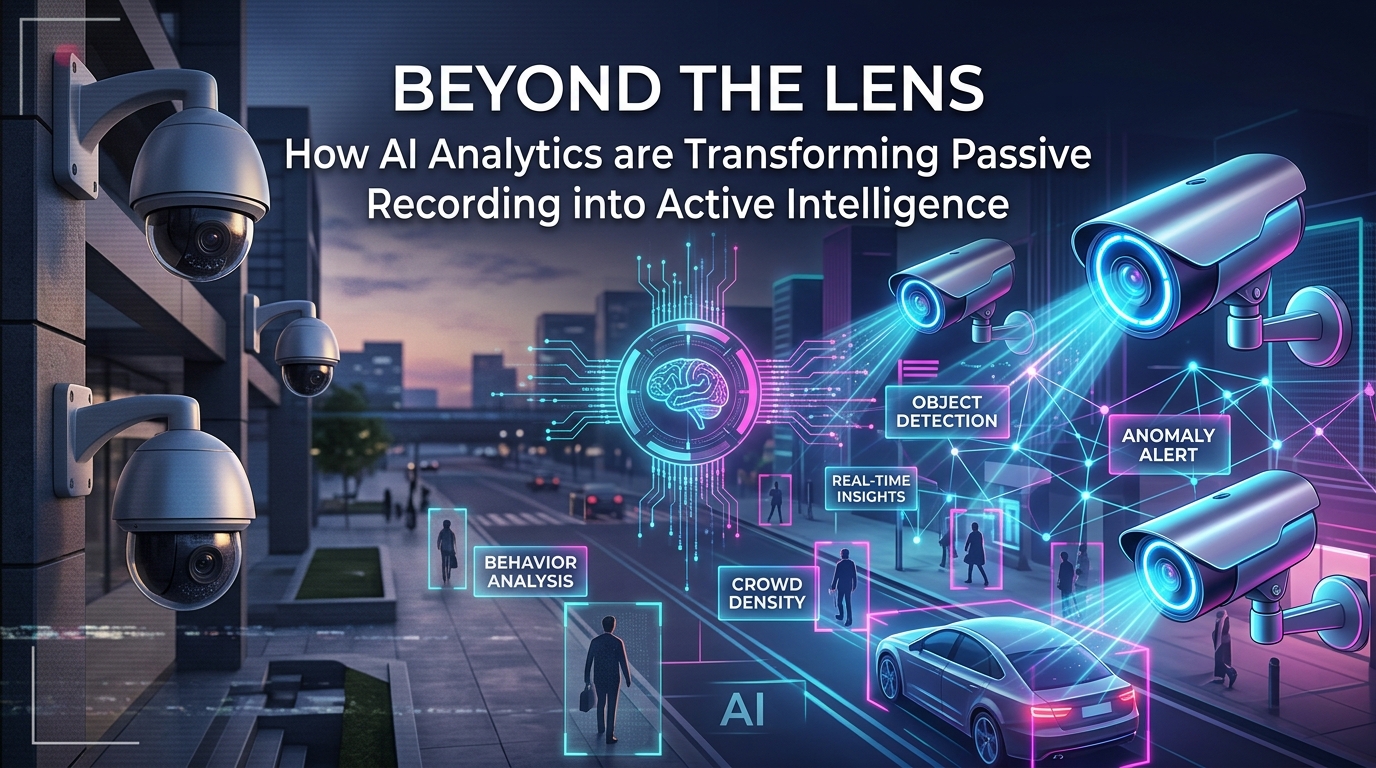
By integrating advanced machine learning and computer vision, the security industry is moving away from passive recording. Today, we are in the era of Active Intelligence. Let's explore how AI surveillance is turning raw video data into a proactive tool for businesses, cities, and healthcare.
The End of the "Record and Review" Era
For decades, surveillance meant storage. Terabytes of video footage sat on dusty servers in back rooms, reviewed only after an incident occurred. It was entirely reactive. If a theft happened or a safety protocol was breached, someone had to manually scrub through hours of footage to find the exact moment things went wrong.
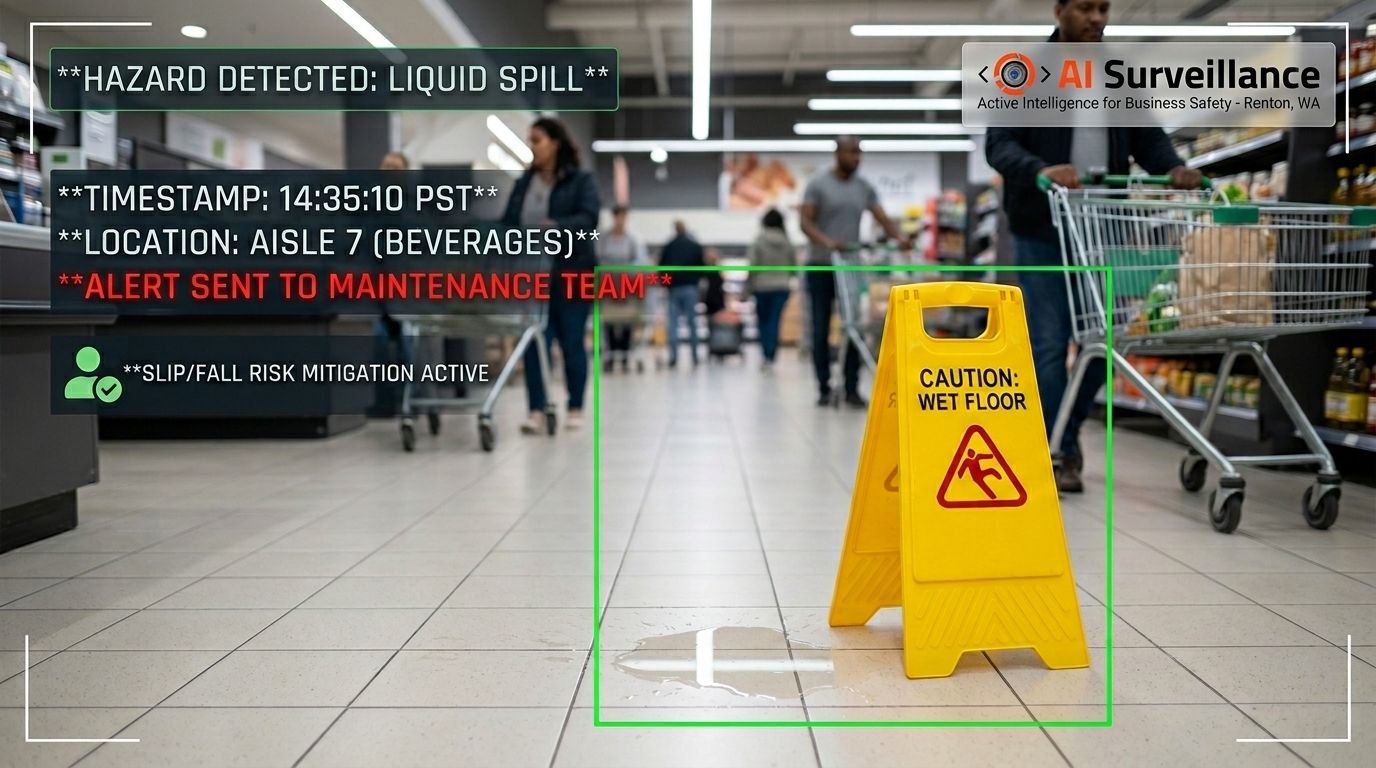
AI video analytics flips this model on its head. Modern systems do not just capture pixels; they interpret behavior, identify anomalies, track objects, and flag threats in real-time. By processing video feeds through deep learning models, cameras now act as autonomous AI agents. They watch, they learn, and most importantly, they alert humans the second an intervention is needed.
How Active Intelligence is Reshaping Industries
The shift from reactive security to proactive intelligence creates enormous opportunities for innovation and efficiency across multiple sectors.
1. Retail: Loss Prevention and Customer Experience
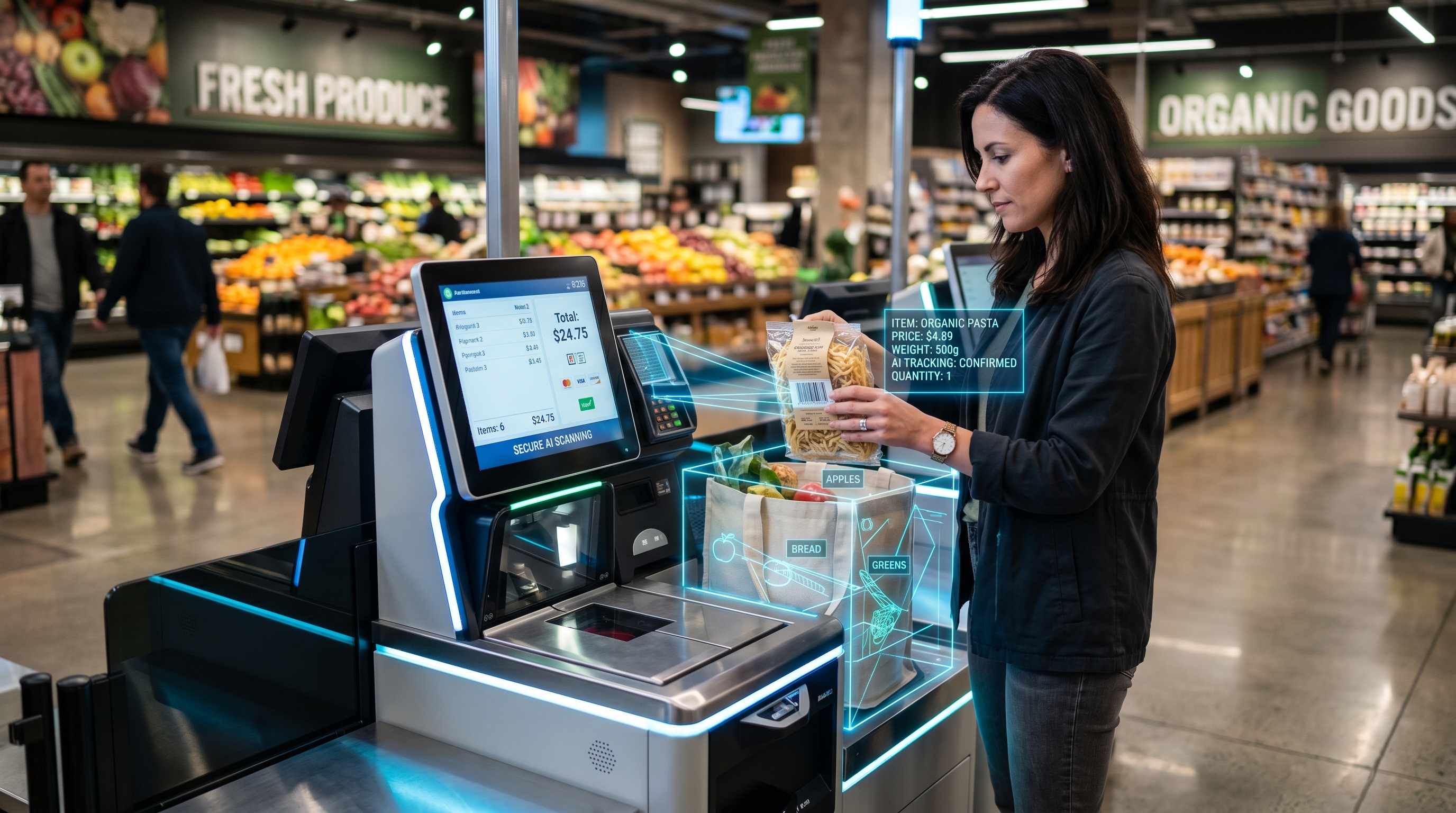
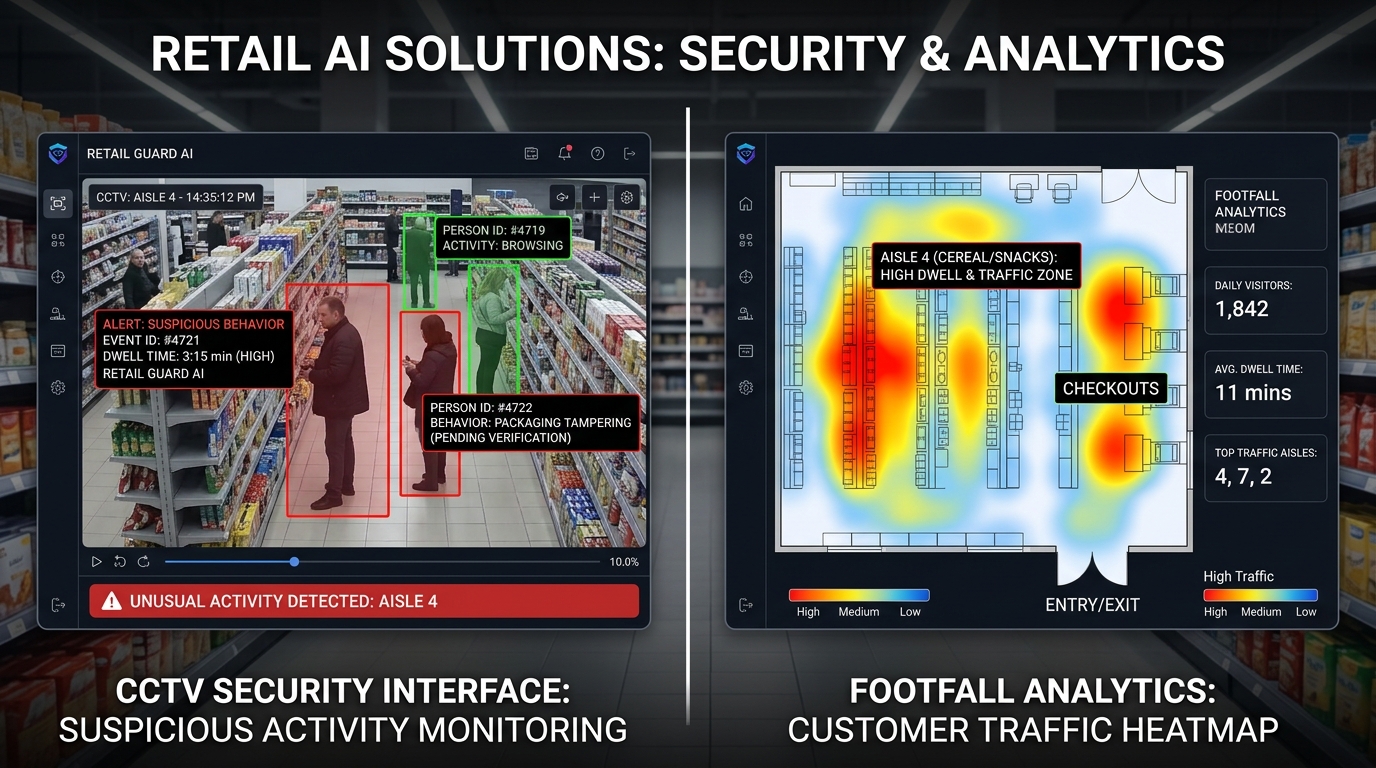
Retailers are leveraging AI to combat shrinkage and optimize store layouts.
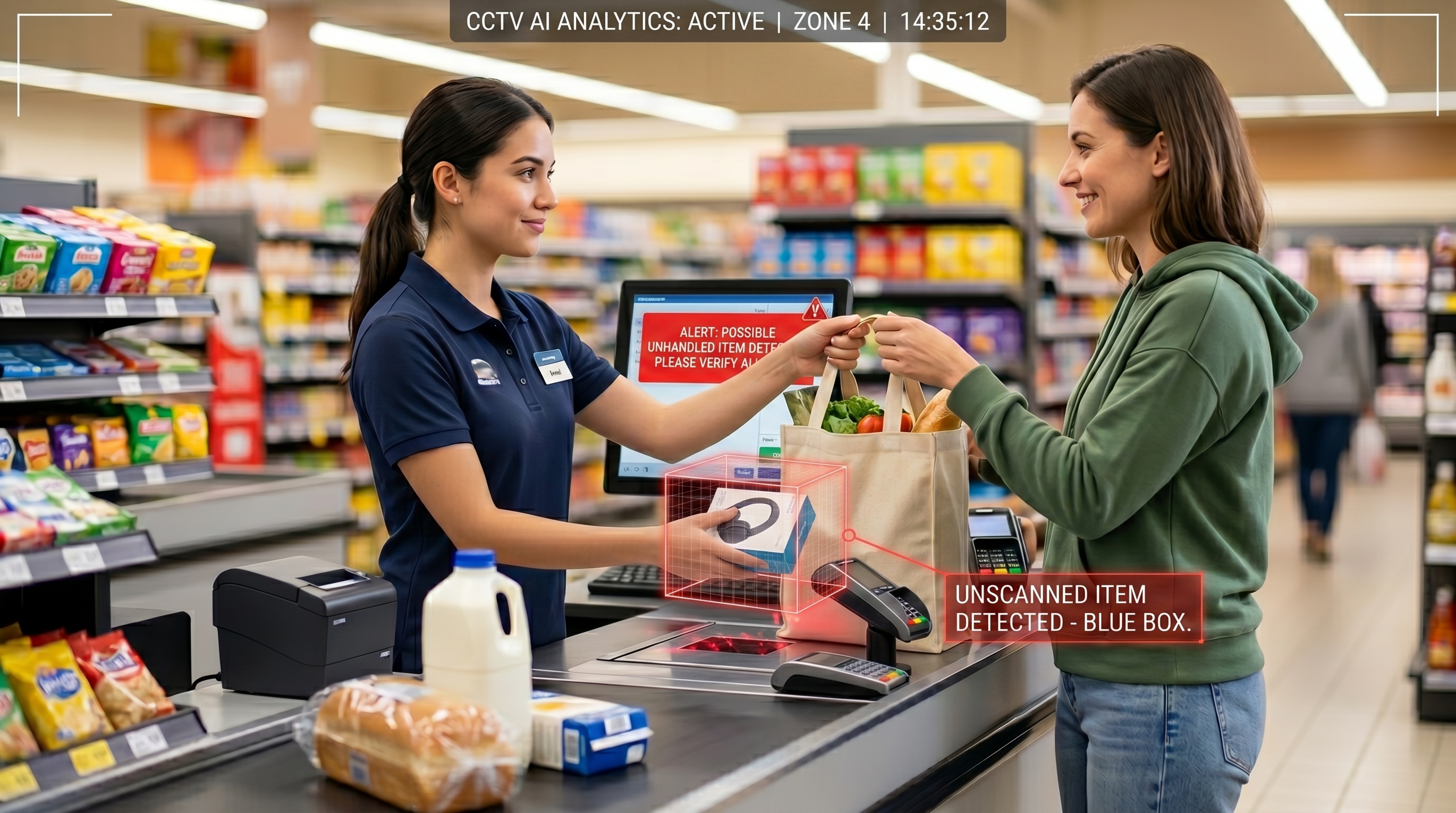
- Preventing Theft: Computer vision algorithms can detect suspicious behavior—such as loitering near high-value goods or "sweethearting" at the checkout (where a cashier purposefully fails to scan an item)—and instantly alert store managers.
- Footfall Analytics: Beyond security, cameras track customer dwell times and traffic patterns. This helps businesses understand which displays attract the most attention and optimize their staffing during peak hours.
2. Healthcare: Patient Safety and Diagnostics
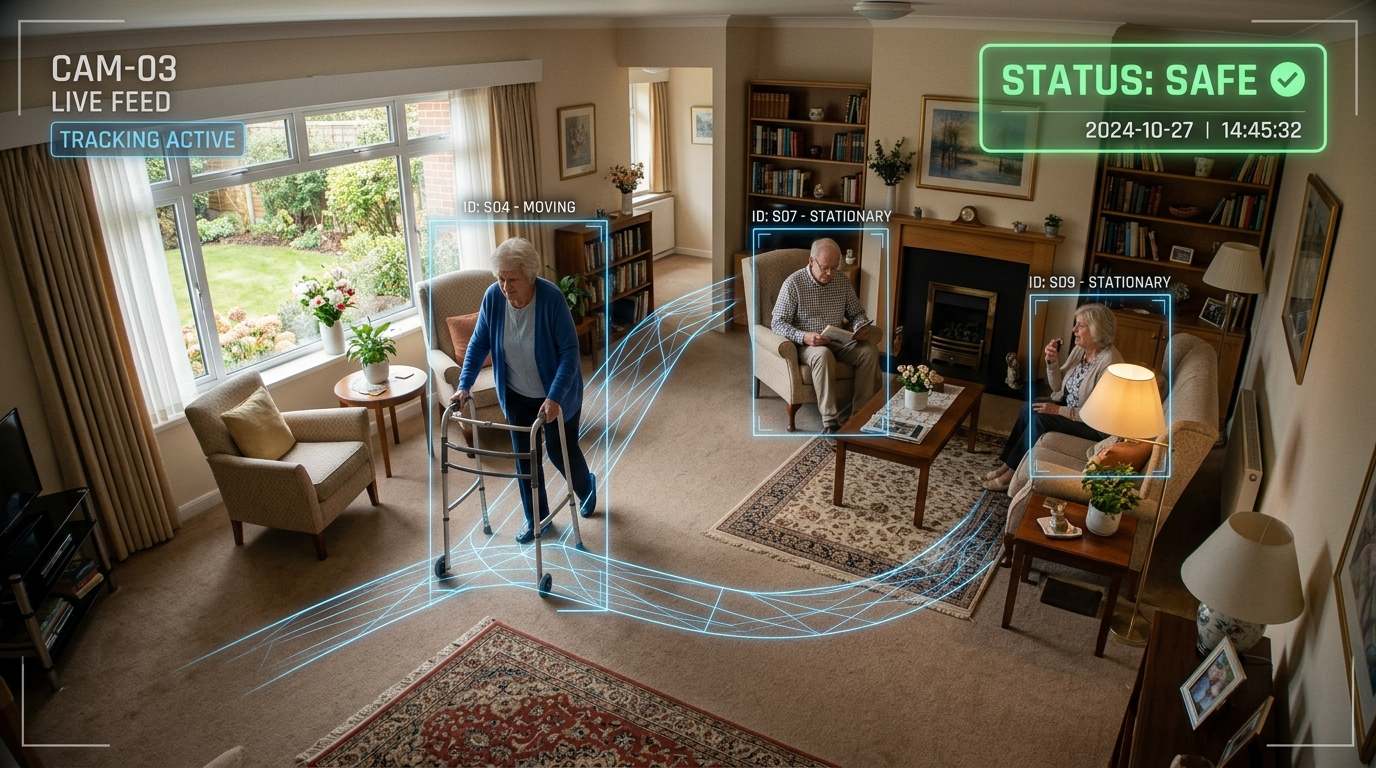
Healthcare is one of the most promising sectors for AI innovation. While doctors use predictive analytics for faster diagnostics, hospital operations rely on AI surveillance to maintain safe environments.
- Fall Detection: AI cameras in patient wards or senior care facilities can instantly detect if a person has fallen, sending an immediate alert to nursing stations and drastically reducing response times.
- Access Control: Facial recognition ensures that only authorized medical personnel can access restricted areas like pharmacies or sterile surgical wings, improving overall hospital security.
3. Smart Cities: Traffic Flow and Public Safety
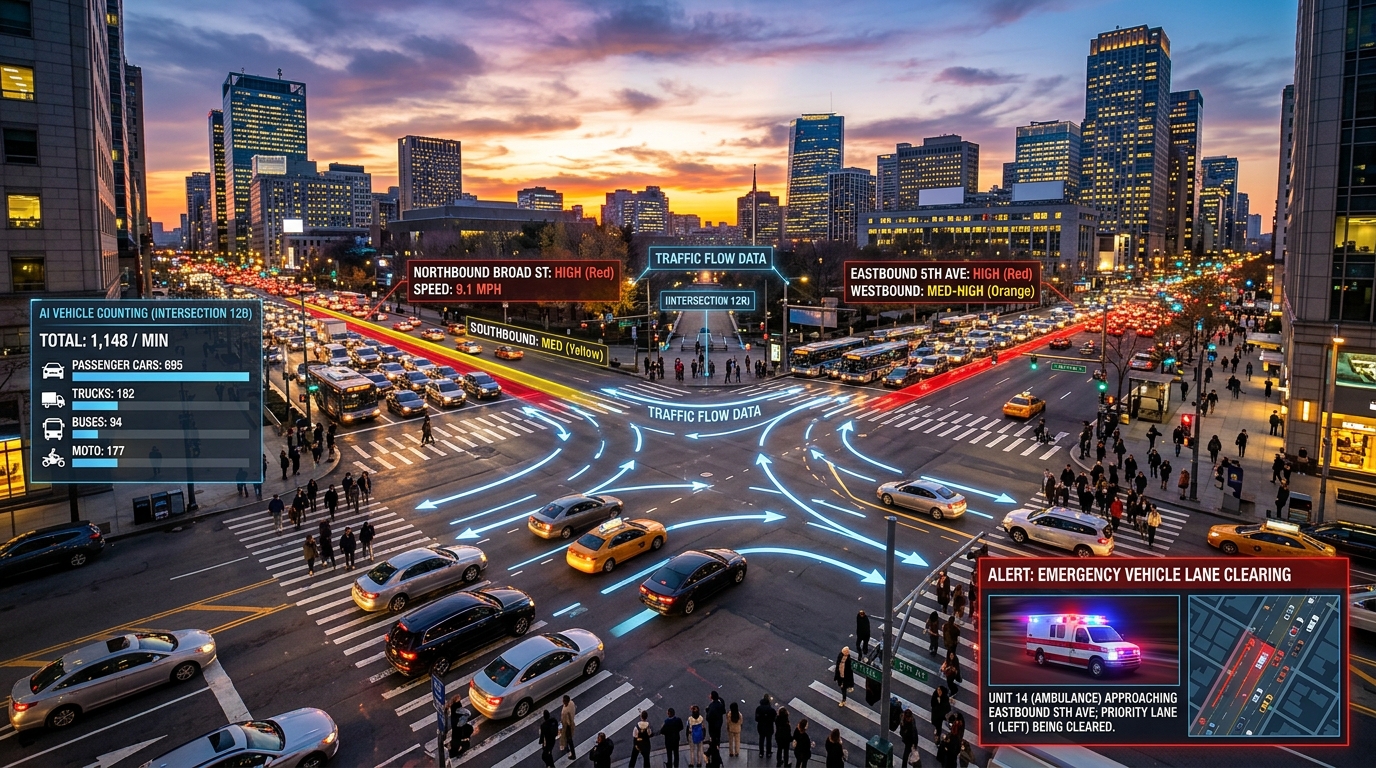
Managing a modern city requires a massive amount of data. AI surveillance acts as the eyes of the city's nervous system.
- Automated Traffic Management: Video analytics can count vehicles, monitor crowd densities, and detect accidents in real-time. This data allows city planners to dynamically adjust traffic lights to ease congestion or instantly dispatch emergency services to a crash site.
- Infrastructure Monitoring: Edge AI cameras can monitor critical infrastructure, automatically flagging issues like abandoned baggage in transit hubs or unauthorized access to power grids.
The Technology: Edge AI and Hybrid Architectures
The sheer volume of visual data generated every second demands incredible processing power. Sending high-resolution video from thousands of cameras to a central cloud server introduces latency and massive bandwidth costs.
The solution is Edge AI. Today's intelligent cameras process data locally, right on the device. They handle the heavy lifting of object detection and anomaly tracking at the "edge" of the network, sending only critical alerts and metadata to the cloud. This hybrid architecture ensures faster decision-making, reduced manual work, and a much lighter footprint on the IT infrastructure.
Navigating the Ethics of Intelligent Surveillance
Despite its clear advantages, AI video analytics raises critical questions around privacy, algorithmic bias, and continuous tracking.
Responsible AI development is non-negotiable. Modern AI surveillance companies are building ethical frameworks directly into their software. This includes data masking (automatically blurring faces or license plates to protect identities), strict data retention limits, and continuous auditing of machine learning models to prevent demographic bias. The future of surveillance is not about watching people; it is about monitoring environments to ensure safety and operational efficiency.
As Sundar Pichai famously noted, “AI is probably the most important technology humanity has ever worked on.” When applied responsibly to video analytics, it creates environments where humans and AI collaborate to build safer, smarter spaces.
Frequently Asked Questions (FAQ)
1.What is AI video analytics? AI video analytics is a technology that uses artificial intelligence and machine learning to automatically analyze video feeds in real-time. Instead of just recording footage, it detects specific objects, behaviors, and anomalies—such as unauthorized access or safety hazards—and alerts operators instantly.
2.How is active intelligence different from traditional surveillance? Traditional surveillance is passive—it records footage that is only reviewed after an incident has already happened. Active intelligence is proactive. It uses AI to monitor live feeds and triggers immediate alerts the moment a security or operational threshold is breached, allowing teams to stop incidents before they escalate.
3.Do AI surveillance cameras process facial recognition on everyone? Not necessarily. While facial recognition is a capability of AI cameras, responsible enterprise systems often default to structural tracking (monitoring the movement of shapes and objects) rather than identifying specific individuals. Many systems also use auto-blurring features to protect public privacy while still gathering operational data like foot traffic.
4.Does AI video surveillance require a massive internet connection? No. Most modern AI video analytics rely on Edge Computing. This means the actual AI processing happens directly inside the camera or on a local server. Only the metadata (the alerts and insights) is sent to the cloud, which drastically reduces bandwidth requirements.